

Our Kids’ Climate Microgrants
Our Microgrants are small grants of US$5,000 for parent-led, intergenerational, and family-centered climate engagement work.
They help climate organizers carry out climate projects and activities, from community mobilization, education, awareness-raising, artistic and creative interventions, street actions, digital campaigning – or a combination of these approaches.
For the 2026 round, we are particularly interested in applications for parent-led and family-focused projects related to clean energy, clean air, and fossil fuel phase-out. We will award 20 Microgrants in 2026. Projects must be implemented between September 2026 and February 2027.
This is a closed call. Microgrants are available for groups, organizations, and individuals within OKC’s global network. This includes:
- former Fellows,
- former Microgrant recipients,
- Clean Air Circle members,
- participants in OKC community calls, OKC campaigns (eg. #OurKidsAir), and OKC delegations,
- members of OKC affiliated groups listed here/active in the OKC community.
This year, we are introducing a nomination pathway. Groups from our community and trusted partners will nominate groups outside our network to apply. This process is designed to help us reach and support additional groups who are advancing clean energy, clean air, and fossil fuel phase-out efforts through a parent-led and family-focused approach, that are not yet part of the OKC network. If you have been nominated, we will share the application form directly with you.
We will open for applications on Tuesday April 28 2026. The deadline to apply is May 15th, 2026; 23:59 pm GMT. We will not accept applications received outside this timeframe.
We recommend reading the Criteria and Requirements document and FAQ below before applying.
Our Kids’ Climate has been supporting local and national parent climate groups through Microgrants since 2020. In total, we have distributed 150 microgrants in 48 countries, led by 121 different groups.
Projects we have previously funded
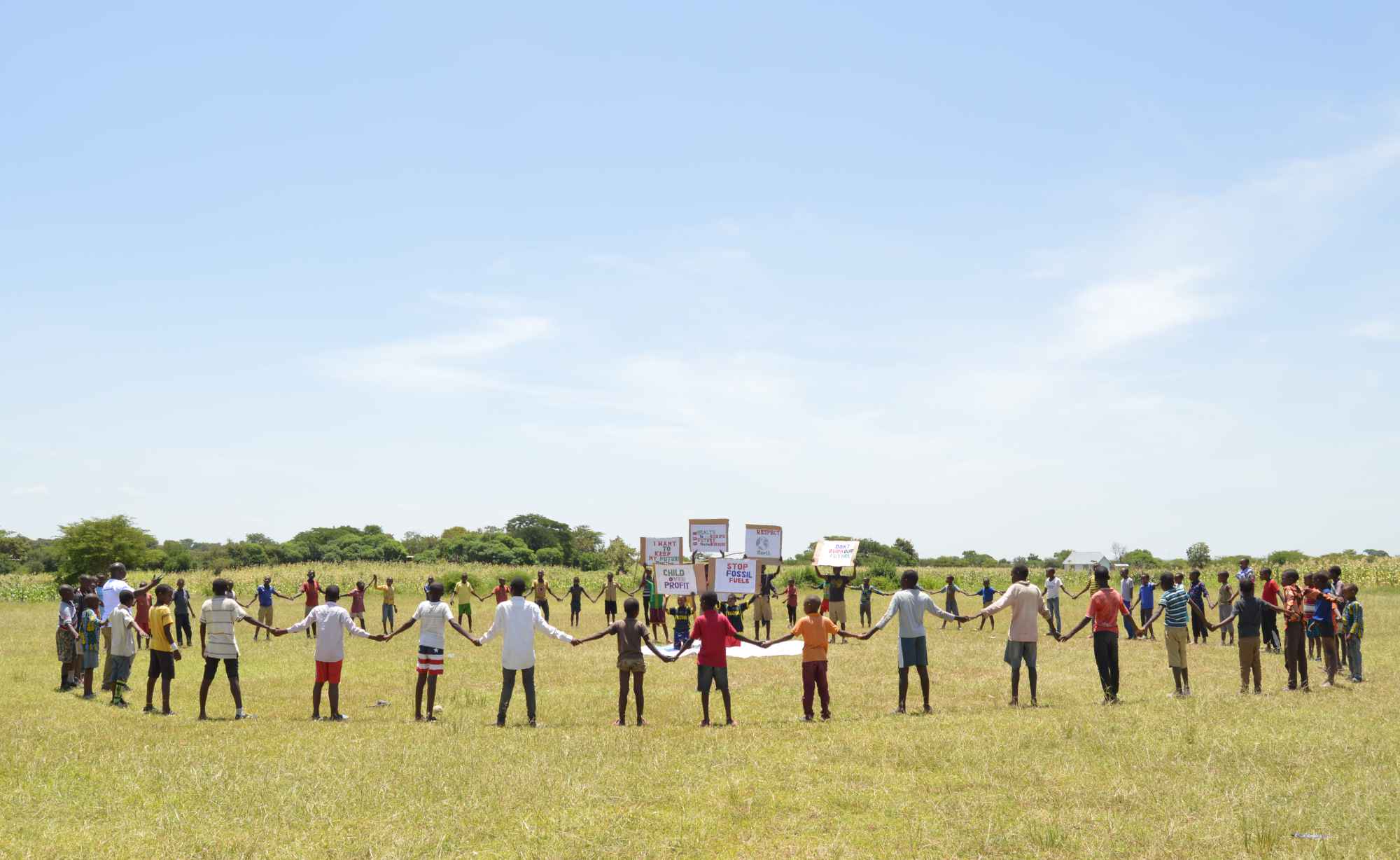
The gallery below highlights projects funded in the 2025 Microgrant round, which also focused on initiatives addressing clean energy, clean air, and the phase-out of fossil fuels.
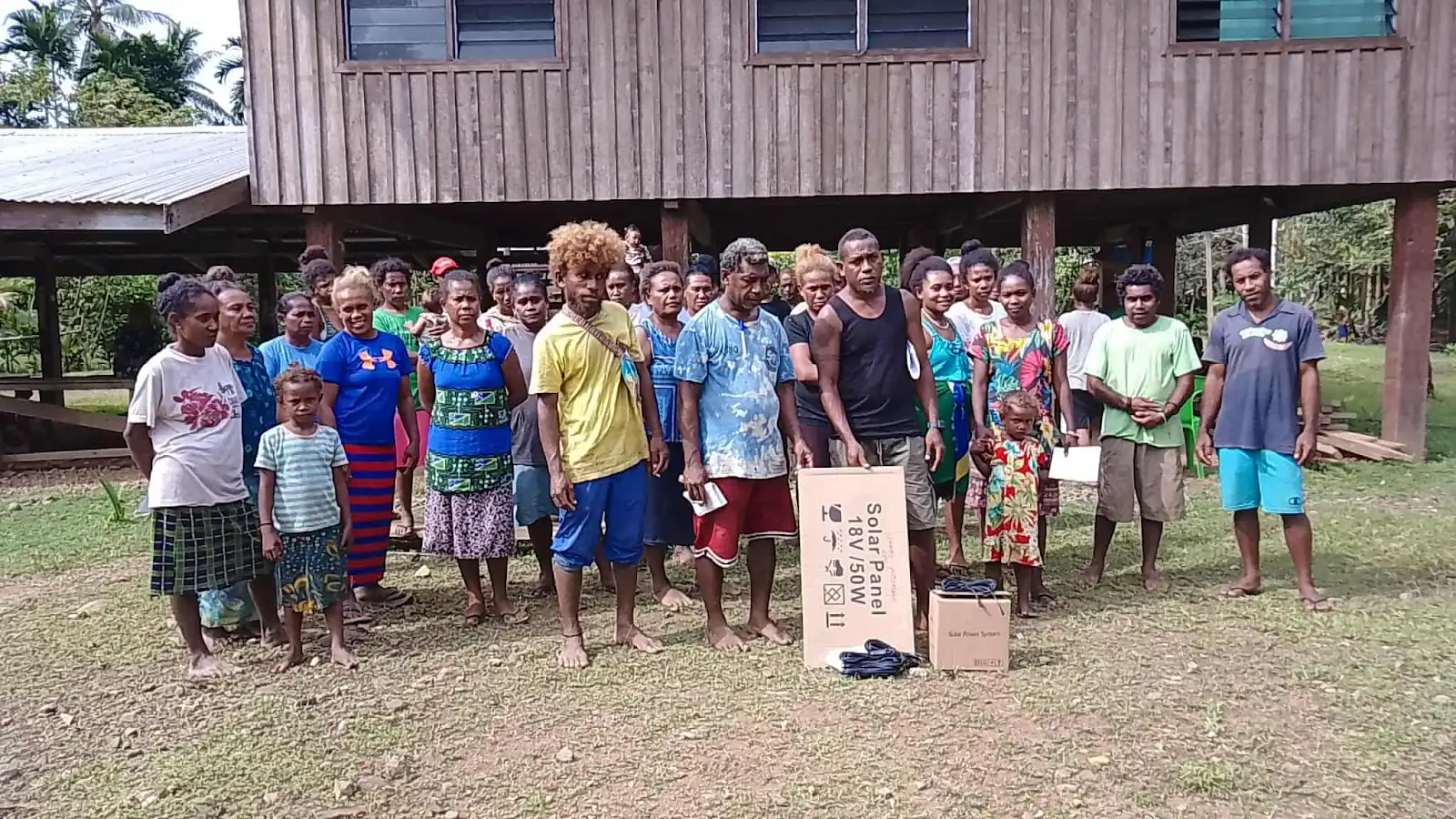
The Network for the Indigenous Peoples Solomons (NIPS), led by OKC Fellow Aydah Akao, brought solar power to community centers in the remote Isabel province, a region particularly vulnerable to rising sea levels and extreme weather. The centers play a crucial role during gatherings and community events.
Aydah said: “Witnessing the positive impact – families accessing light for education, women feeling safer at night, and communities gathering with renewed hope – deepened my resolve.”
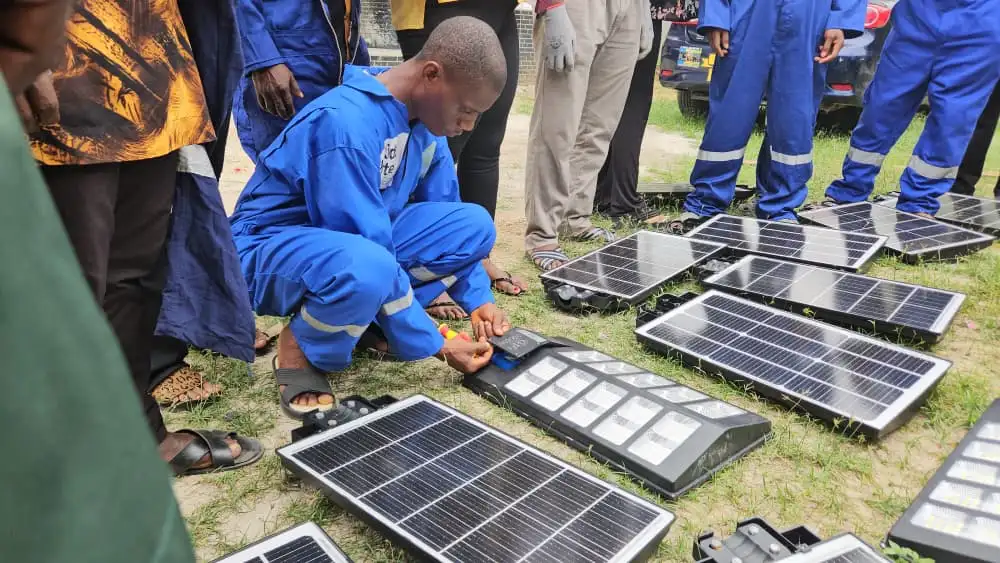
In the Niger Delta, oil extraction has devastated the environment, poisoning waterways, destroying farmland, and creating one of the world’s most polluted regions. The Lekeh Development Foundation, a local community group, trained community members in solar installation and maintenance, and worked with them to install solar street lighting. The group also organized intergenerational dialogues, enabling elders to speak to youth about environmental changes experienced in their lifetimes, and linking this with the need to transition to renewables.
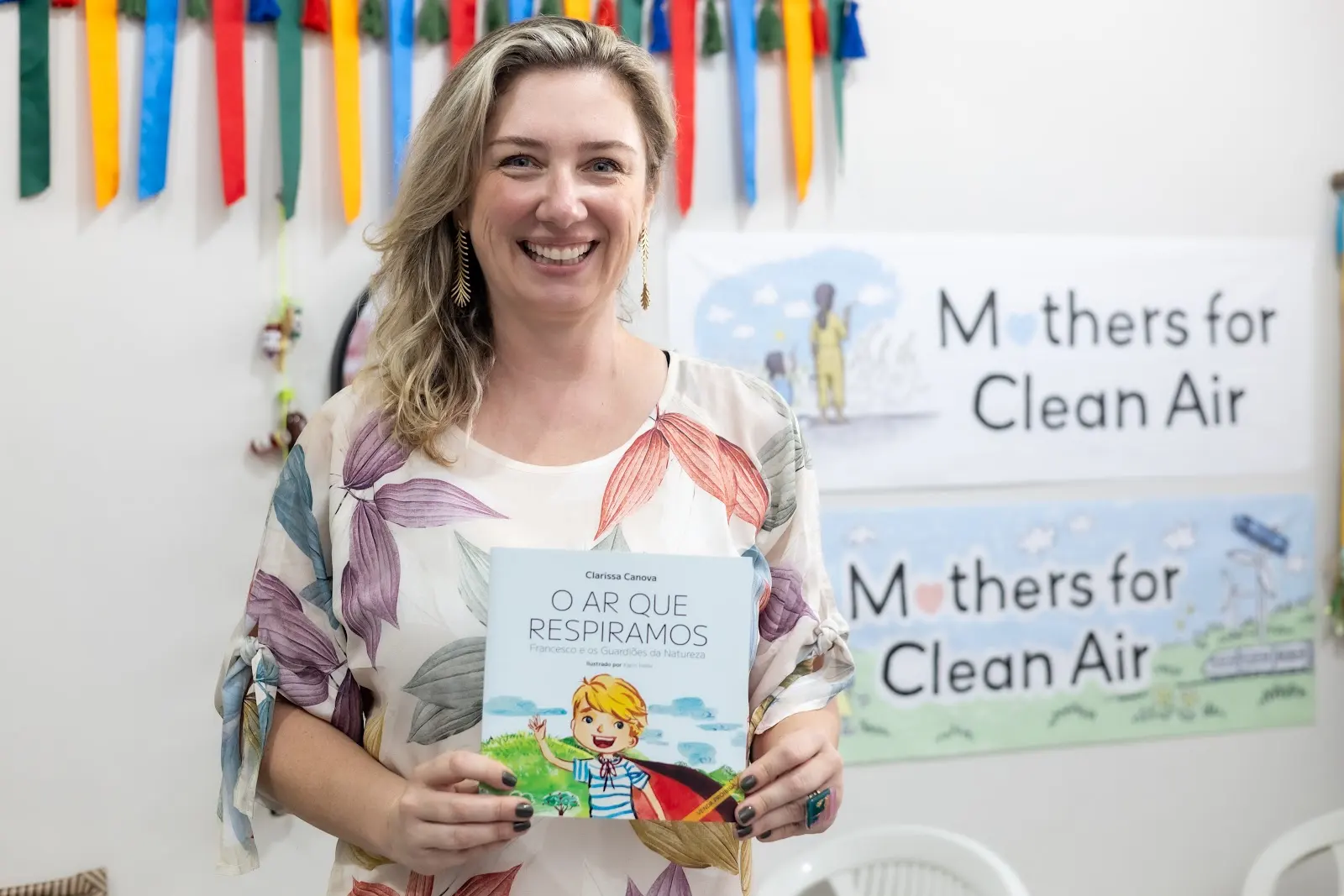
Clarissa Canova is a former OKC Fellow and the leader of Mães pelo Clima (Mothers for Climate), a social initiative that aims to connect, engage, and empower Brazilian mothers who share concerns about the climate crisis and how it affects their children. She used her OKC Microgrant to launch a climate-education and family-mobilization project, called “Read for Air”. At its heart, was the production and distribution of a new children’s book titled “The Air We Breathe” (“O Ar que Respiramos” in Portuguese) written by Clarissa. The book was launched at COP30 and since then has been shared at numerous community-based events throughout Brazil. The project also involved partnerships with educators and local governments.
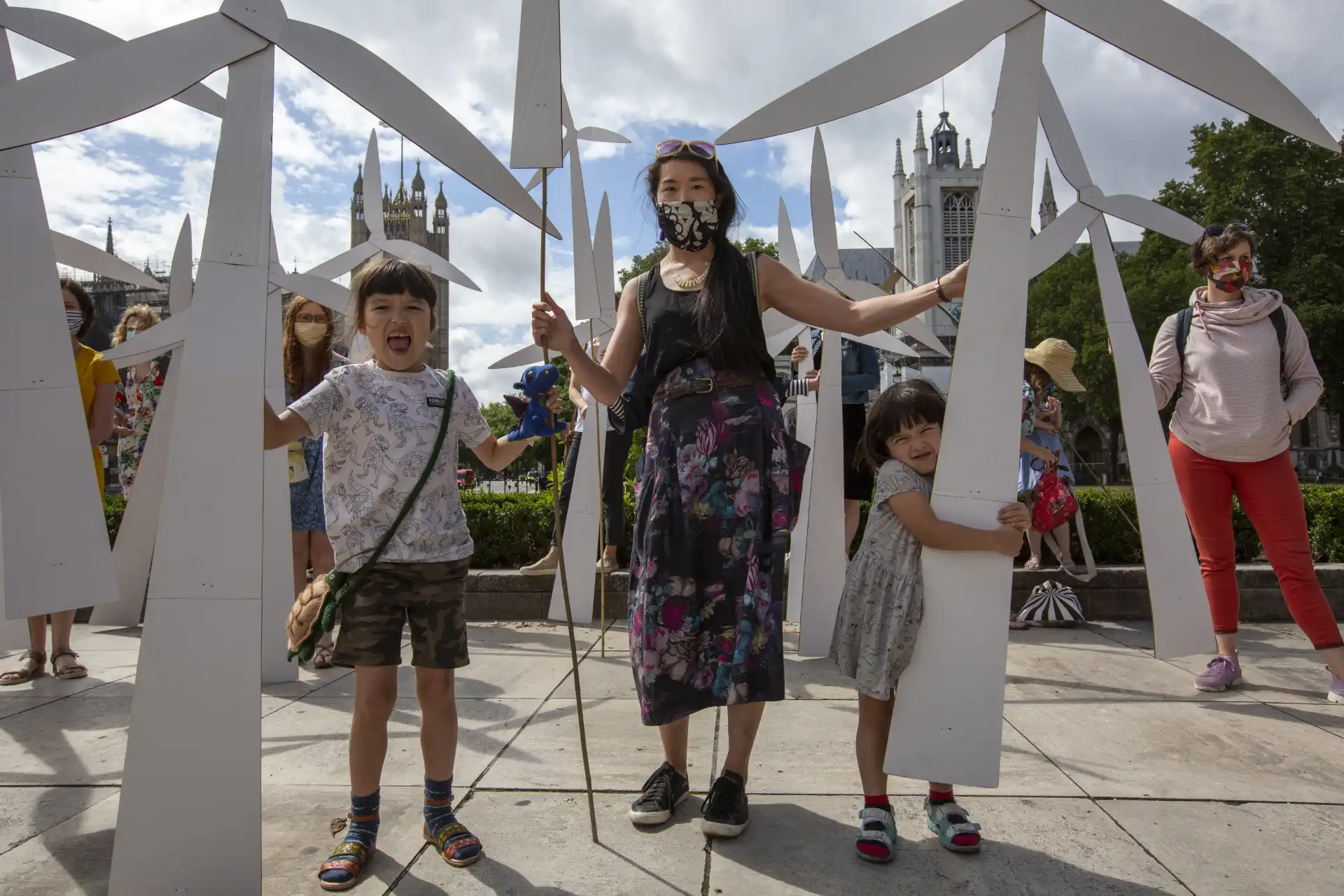
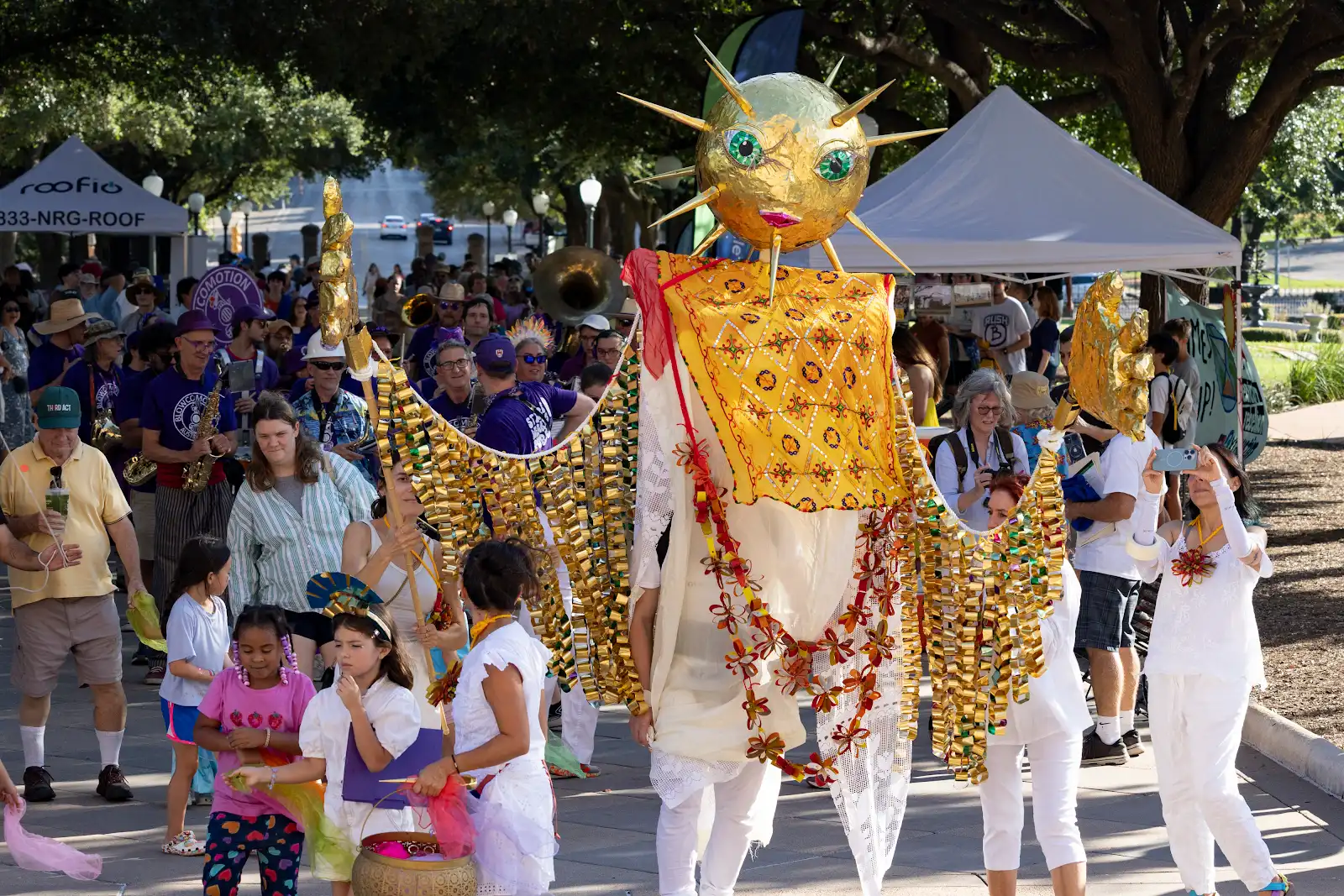
We funded a community art project in Austin, Texas, conceived and delivered by Parents Climate Community. At its center was a 10-foot clean energy Sun Puppet, used as an avatar by parents at various events in the city to call for solar energy. This striking and creative activation opened up community discussions on how to shift from fossil fuels to clean, healthy renewable energy, and was linked to a petition for solar on city buildings. Community members were actively involved in building the puppet at local events – contributing to elements like its arms (“power chains”) and assembling colorful flower garlands for its necklaces. In parallel, the group developed a 10-week artivism and clean energy curriculum for youth living near existing gas infrastructure in Austin.
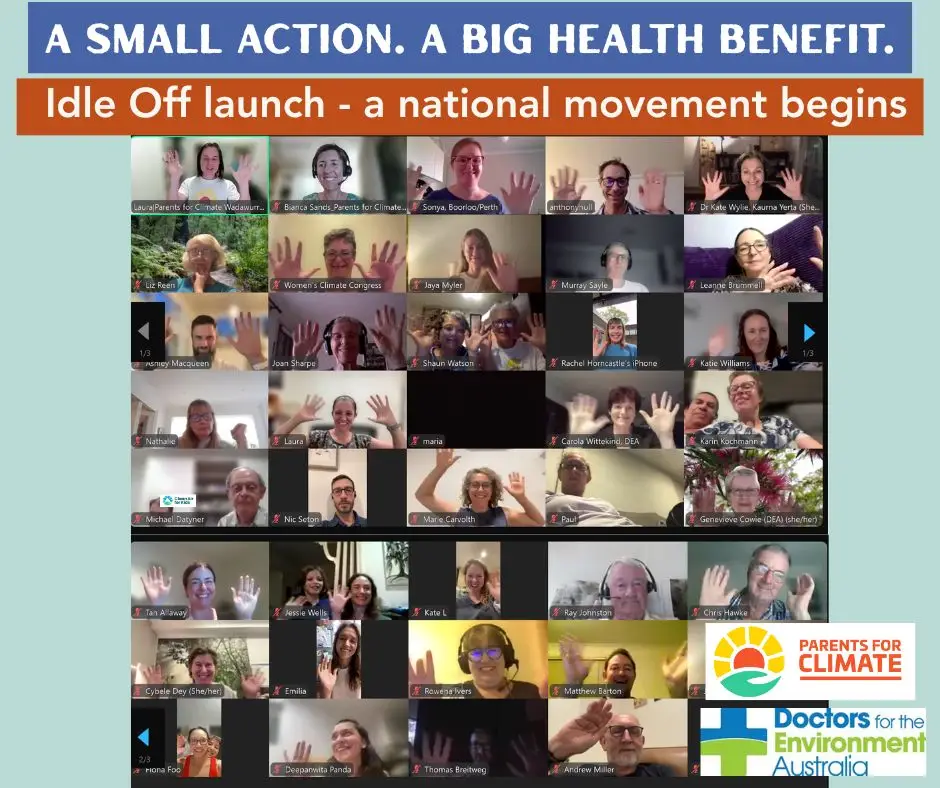
Parents For Climate used their Microgrant to address vehicle pollution risks outside schools and childcare centres across Australian cities. They ran two public engagement streams, Clean Air For Kids and Idle Off, and developed a suite of campaign tools and resources to support parent action. The project involved a Clean Air For Kids petition, webinars to inform parents, and recruited a network of Clean Air Reps to drive local action in schools and communities. Alongside grassroots mobilization, they convened expert voices, engaged media, and advanced conversations with local governments on Idle Off Zones and related reforms. Partnerships with academic and public health experts, including Melbourne University, helped ground the campaign in strong evidence and elevate its credibility and impact.
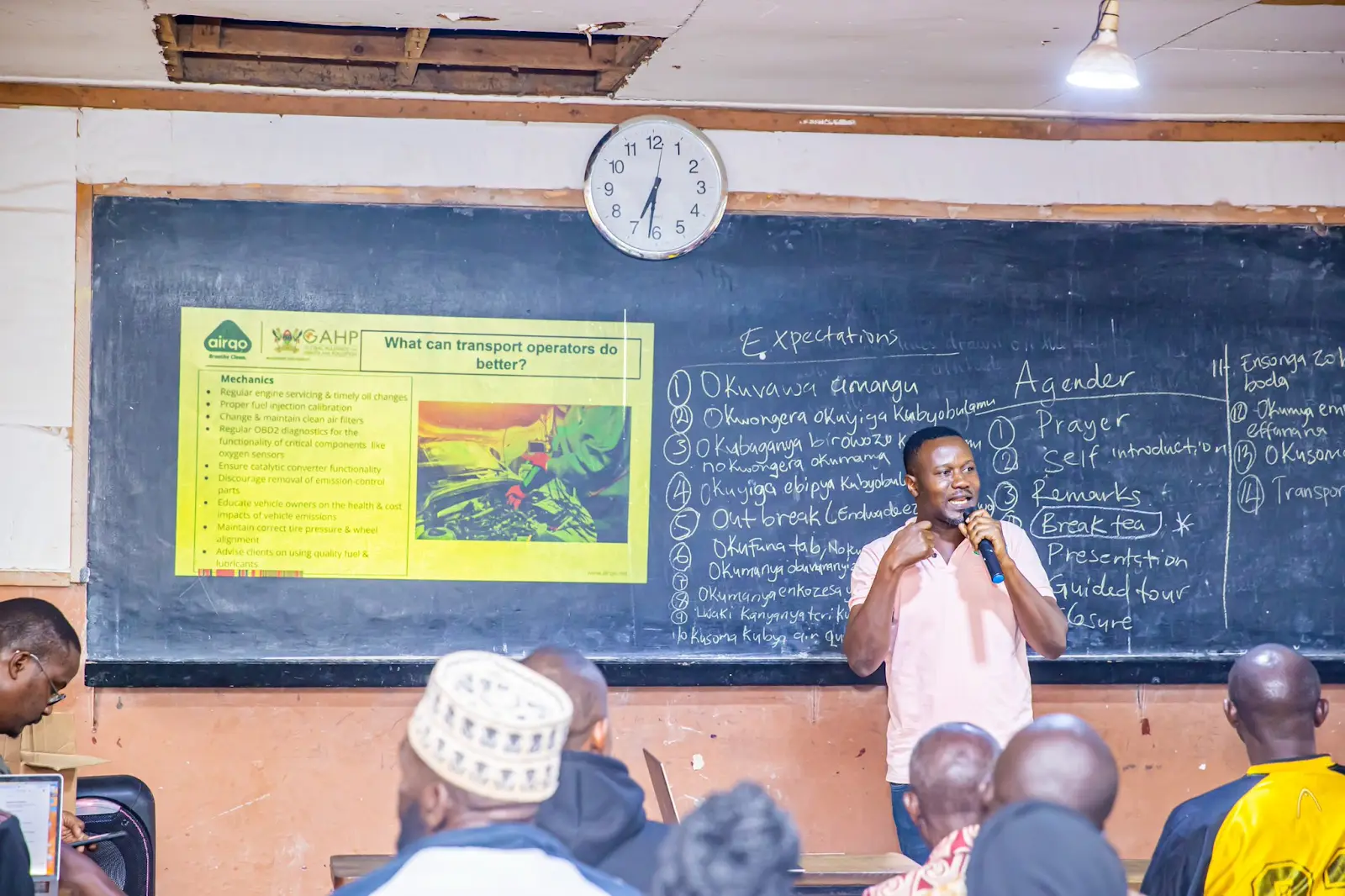
Michael Wanyama, a former Fellow, member of our Clean Air Circle, and Founder of Autosafety Uganda, implemented a series of community-based activities to reduce children’s exposure to road transport–related air pollution around schools in Kampala. The project engaged five schools located near busy roads and conducted emissions testing on vehicles commonly used for school transport and parent drop-offs. The project also engaged mechanics operating near the schools, as well as parents, local leaders, and school administrators. Sessions focused on the health risks of transport-related air pollution and practical actions, such as reducing vehicle idling during school pick-up and drop-off times, and for mechanics education on what they could do to reduce harmful pollution when maintaining vehicles.